H2-ICE Knowledge Hub
The goal is to position H2-ICE as the Third Path for Australian fleets—preserving existing assets while meeting zero-emission mandates.
The CAPEX Argument: FCEVs are expensive and require a complete platform redesign. H2-ICE allows you to keep your existing chassis and drivetrain, significantly lowering the initial barrier to entry.
Zero-Emission Inclusion: Note that as of early 2026, many regulatory frameworks (including the EU and emerging AU standards) have officially included hydrogen combustion as a zero-emission path, unlocking government rebates.
The Operational Continuity: Your existing diesel mechanics already understand the internal combustion architecture. Converting to H2-ICE means your maintenance workflows don't have to change.
Direct Injection is King: We will highlight that modern H2-ICE systems (like the ones you'll link to) solve the pre-ignition and backfire issues of early hydrogen prototypes.
The Thermal Advantage: In high-load, high-dust Australian environments (mining and long-haul), combustion engines are historically more resilient than delicate fuel cell stacks.
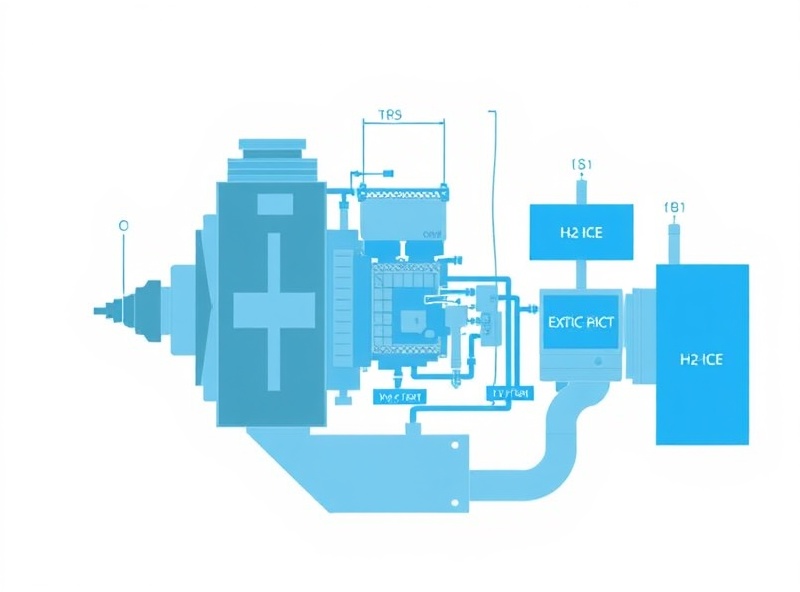
A clean, searchable blog featuring technical deep-dives into direct injection and NOx control.
Core Blog Post 1
The Practical Bridge to 2030
Read ArticleCaptures leads for your future business opportunities and guides fleet managers through the conversion process.